Case studies GitHub
Creating a global content presence for developers
Managing the GitHub Blog through the Microsoft acquisition: the guidelines, templates, and processes that let content scale with the company while keeping the voice developers love.
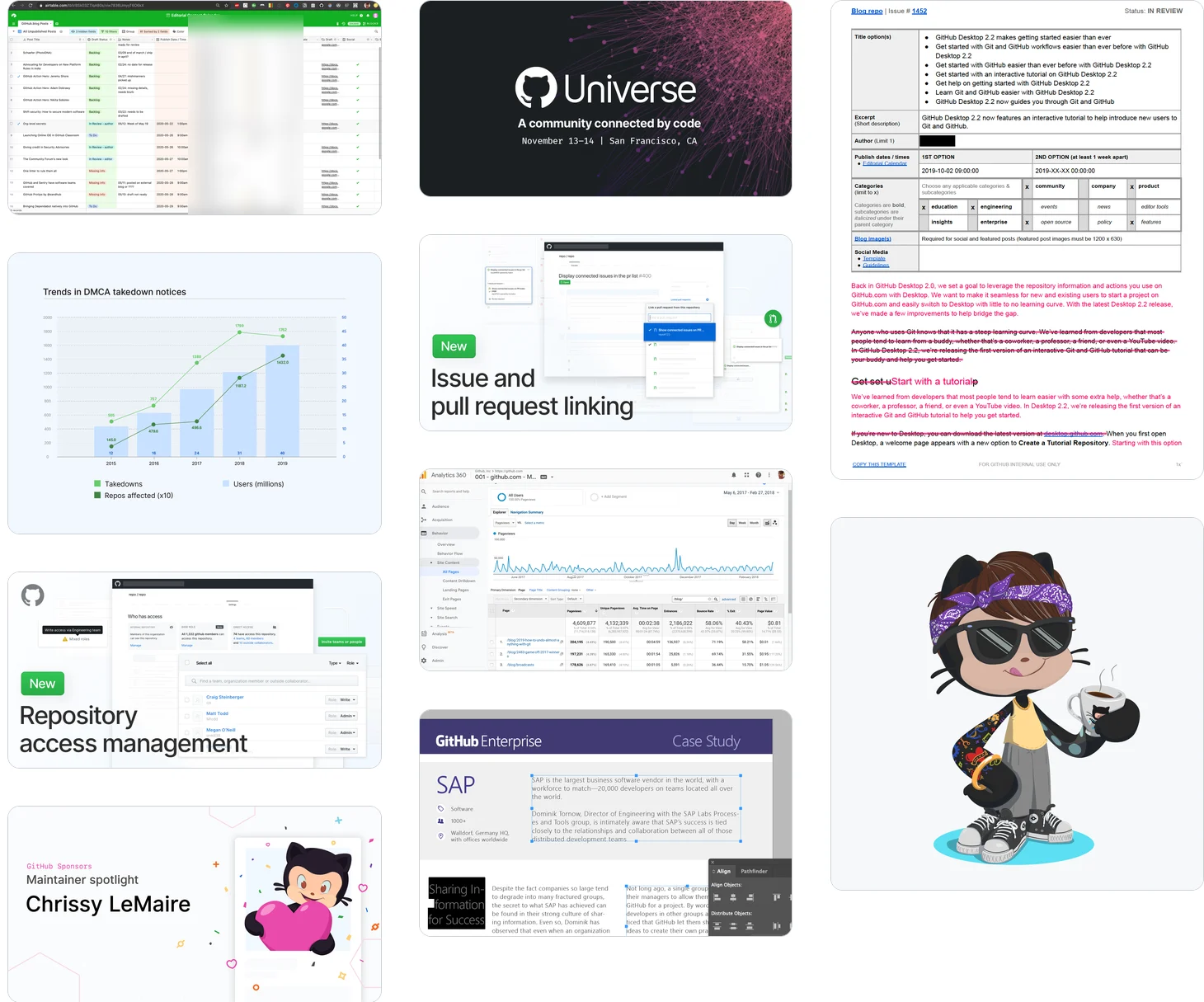
Context
I was a copywriter turned Editorial Manager and Content Manager for the GitHub Blog. As Content Manager, I managed the blog pipeline as content was drafted, edited, and published through GitHub or WordPress. I ghostwrote or edited almost every post in 2018 and 2019, and wrote content and supported launches through the Microsoft acquisition, GitHub India, the Octoverse reports, the GitHub Sponsors expansion to Malta and Cyprus, and more.
When I joined, GitHub was already the well-known and beloved platform for developers of all sizes. Within a few months it grew exponentially and completed its acquisition by Microsoft. We had to consider the volume of supporting content for GitHub and Microsoft, and elevate our communications and processes to match the next stage of the company: auditing processes for efficiency and resiliency, evolving communications for even more diverse audiences, and lowering the barrier to collaboration between companies.
The goals: help developers contribute content without it going stale in a backlog, with a way to review drafts, share feedback on time, and prioritize and schedule requests; make processes that scale to a larger volume of requests and editors; and keep the approachable, educational, and supportive voice the community knows and loves.
The work
-
Remembering our roots while we grow
Because of GitHub’s beloved brand personality, I wanted to keep the familiar, fun tone but elevate it to complement Microsoft’s style and content. That meant auditing and reviewing everything from content contribution processes to brief templates, data analysis, transition plans, ghostwriting, and much more.
-
Audit and goals
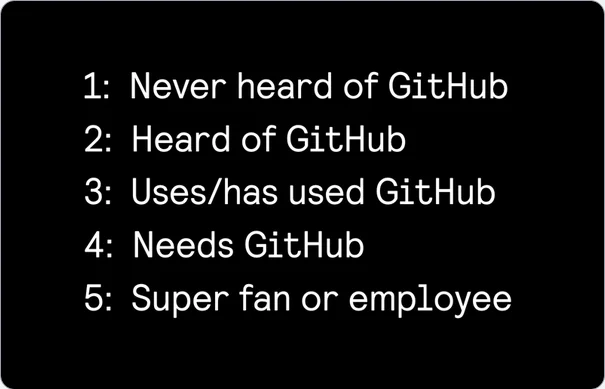
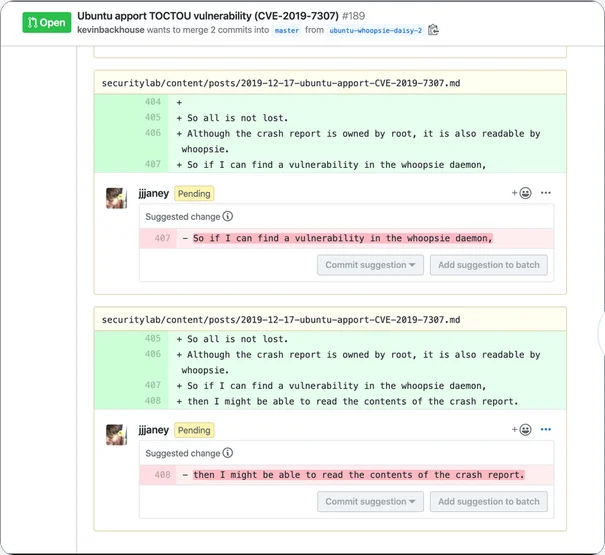
Most of our audience fit into five levels, from “never heard of GitHub” to “super fan or employee,” so we could tailor campaigns to each level of GitHub experience. I clarified content through editing and ghostwriting, often as suggested changes in pull requests, to support developers regardless of their experience.
-
Research and a brief template
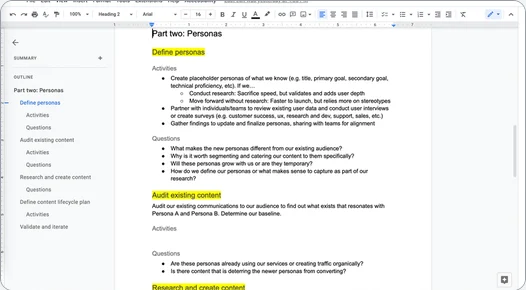
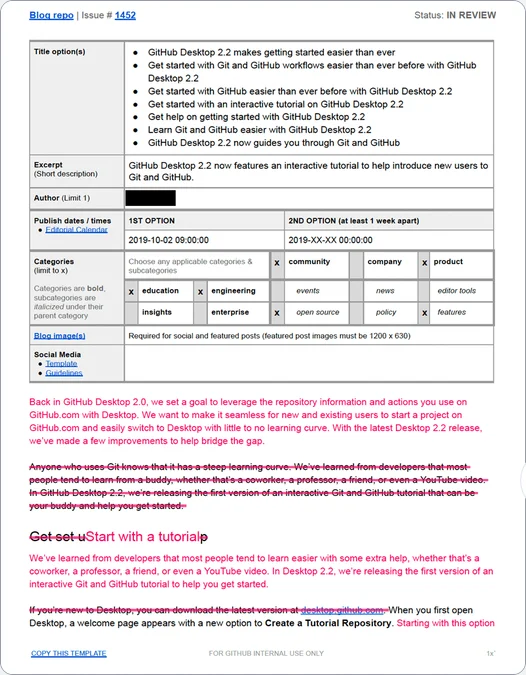
Regular audience research kept us proactive with communications, which mattered even more with the new audience we’d inherit from the Microsoft acquisition. Process should help creativity and collaboration, not hinder it: not every piece can be templated, but a blog brief template gave anyone the important details at a glance.
-
Feedback and data
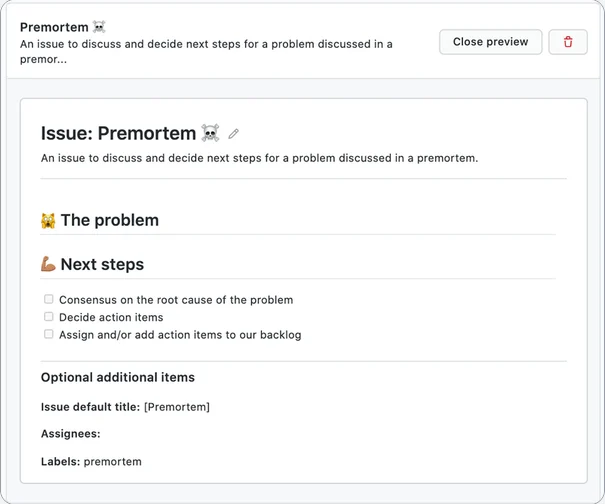
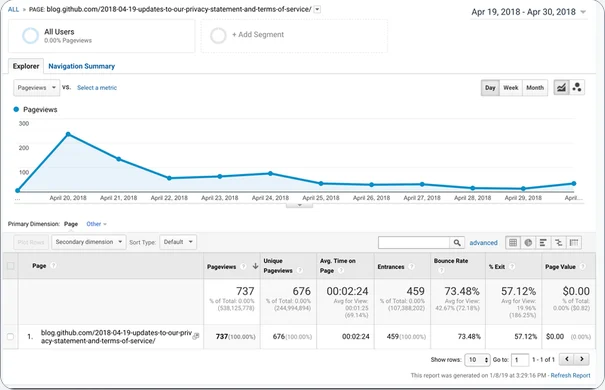
Feedback is a gift. Clear guidelines and “lanes” for constructive feedback, from the kickoff call to the retrospective, were essential to resolving problems. With Looker, Datadog, and more, we could make bets on the kinds of content that would help our audience, depending on the GitHub service they used.
-
Expanding processes
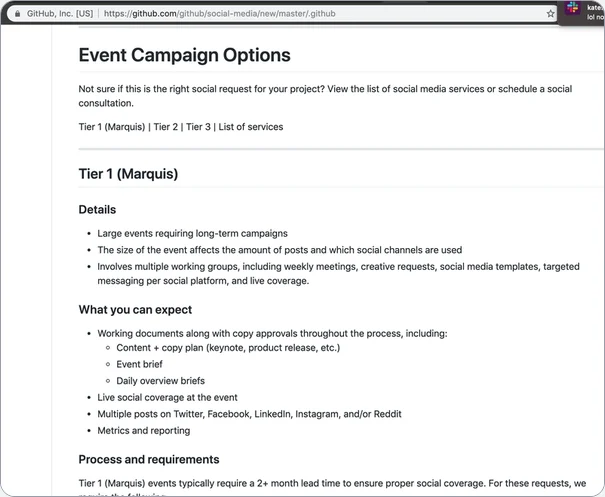
As we scaled, our processes had to evolve too. I regularly collaborated with other teams on processes that fit their resources and priorities, like tiers of event campaign options for social media.
-
Jekyll to WordPress, and beyond
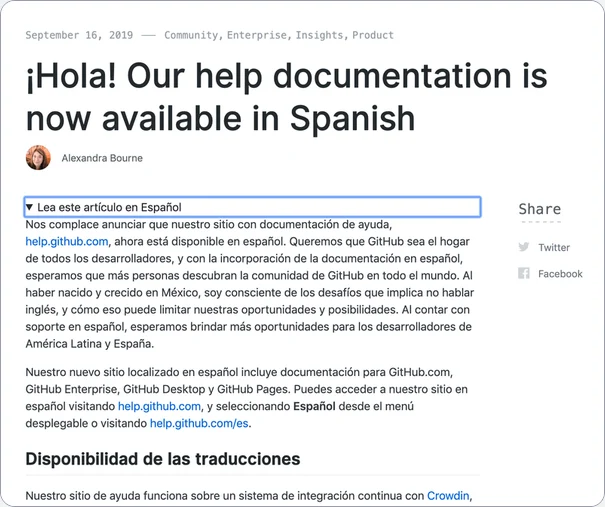
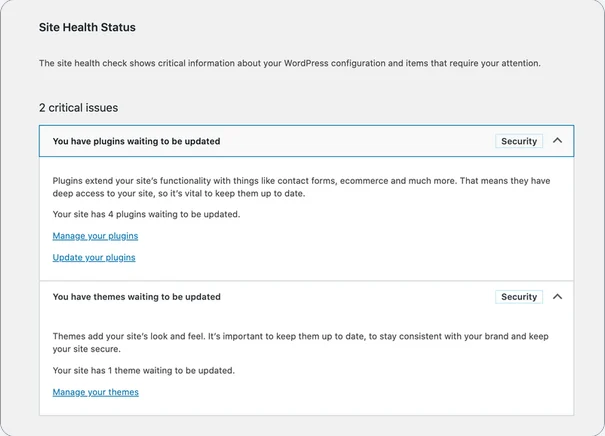
We tried different tools to learn what made sense next. We were publishing blog posts with Jekyll on GitHub, and I supported and completed the transition to WordPress. The migration left us with a CMS instance just for the blog, and the chance to evolve it into the beautiful, accessible, content-focused blog it is today.
-
Editorial calendars and analytics
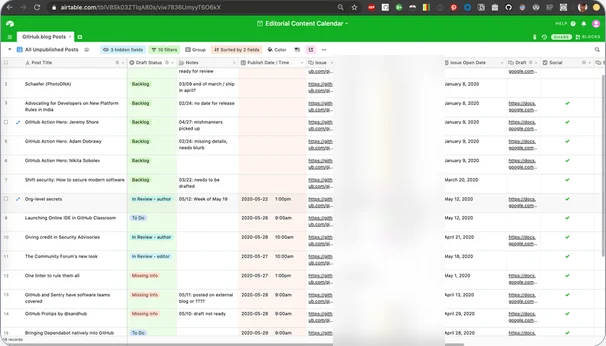
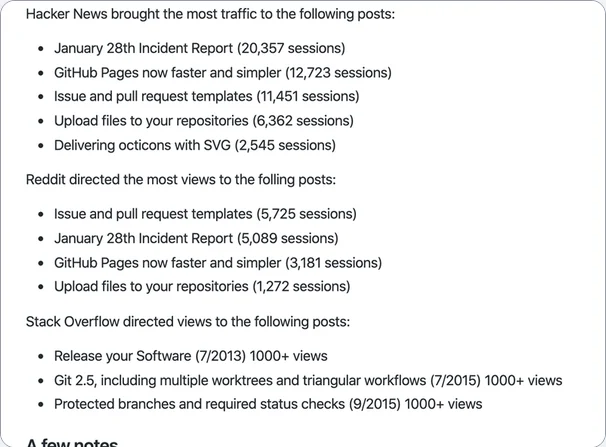
When I started, the editorial calendar was a few tasks in a GitHub repository. I used Asana and then Airtable to build a “living” calendar so everyone could see the pipeline at a glance. At the height of GDPR, we had to forgo analytics and go with our instincts and data points from other departments, which meant connecting with our audience to understand their needs.
-
Transition plans
When I moved from Editorial Manager to Product Manager for GitHub Sponsors, I wanted to set the next person up for success. There were many moving pieces and little documentation about “all things content,” so I wrote a comprehensive guide to managing, supporting, and contributing to the GitHub Blog.
Outcomes
- Nearly allGitHub Blog posts in 2018 and 2019 ghostwritten or edited by me
- WordPressa migration from Jekyll that I supported and completed
- 1 guideto managing, supporting, and contributing to the blog